


Summer brings warmer weather, longer days, and opportunities to relax. However, hot weather also introduces unique health challenges for older adults across Canada. As body temperatures rise, high heat and humidity put extra strain on the cardiovascular and respiratory systems.
Staying safe during hot weather requires daily awareness and small adjustments to your routine. By taking simple precautions and using reliable home health tools, seniors can stay cool, active, and independent indoors.
1. Prioritize Hydration and Smart Meal Planning
As people age, their bodies naturally retain less water. In addition, the physiological sense of thirst gradually decreases. Waiting until you feel thirsty often means mild dehydration has already started.
Hydration Habits That Work
-
Drink on a Schedule: Aim for a glass of water every two hours during the day rather than drinking large amounts all at once.
-
Eat High-Water-Content Foods: Incorporate fresh produce into meals. Cucumbers, watermelon, strawberries, celery, and tomatoes provide essential fluids along with key electrolytes.
-
Limit Dehydrating Beverages: Coffee, tea, and alcohol increase fluid loss. Balance these drinks with extra glasses of fresh water.
Kitchen Safety in High Heat
Cooking hot meals during the afternoon increases indoor air temperatures quickly. Heavy oven use creates excess heat that stays inside your living space for hours. Stick to chilled dishes, salads, cold sandwiches, or microwave meals during heatwaves to keep your kitchen cool.
2. Maintain Indoor Air Quality and Cooling
Air conditioning is ideal during a heatwave, but not every Canadian home has it. Health Canada advises keeping blinds, curtains, and window shades completely closed on sunny sides of the house during peak daytime hours to block out heat. Simple airflow adjustments can also reduce indoor temperatures significantly.
Effective Cooling Tactics
-
Block Sunrays: Closing shades prevents sunlight from warming your rooms.
-
Utilize Lower Levels: Warm air rises. Spending time in a basement or on the main floor keeps your body cooler naturally.
-
Create Cross-Ventilation: Position box fans facing outward near open windows during cooler evening hours to pull hot air out of your home.
-
Use Damp Cloths: Apply a cool, wet washcloth directly to your wrists, neck, or forehead for fast relief when temperatures spike.
3. Utilize Essential Mobility and Home Safety Tools
Staying active during the summer improves circulation and overall strength. However, hot weather causes fatigue, which increases the risk of slipping or falling indoors. Using dedicated home safety devices helps maintain balance and minimizes physical strain.
Support Devices for Daily Independence
-
BIOS Living Folding Walker: Moving around the home should feel secure. A lightweight folding walker gives older adults stable support when navigating living spaces or moving between rooms in warm weather.
-
Bending over or reaching up to grab household items expends unnecessary energy and increases fall risks. A long-reach grabber tool lets you pick up items from shelves or floors safely while seated or standing.
4. Recognize Heat Stress and Monitor Vitals at Home
Heat exhaustion can develop quickly in indoor environments that lack adequate airflow. Recognizing early warnings allows seniors and caregivers to respond before severe complications arise.
Signs of Heat Exhaustion
-
Dizziness
-
Cramps
-
Nausea
-
Rapid Heartbeat
What to do: move to a cool place, sip water, and tell someone.
Signs of Heat Stroke
-
Confusion or Lack of Coordination
-
Fainting
-
Very Hot Red Skin
-
No Sweating
What to do: call 911 immediately!
Health Monitoring at Home
Home health monitoring devices play a critical role during seasonal heat changes. Tracking vital signs daily helps identify stress on the body early.
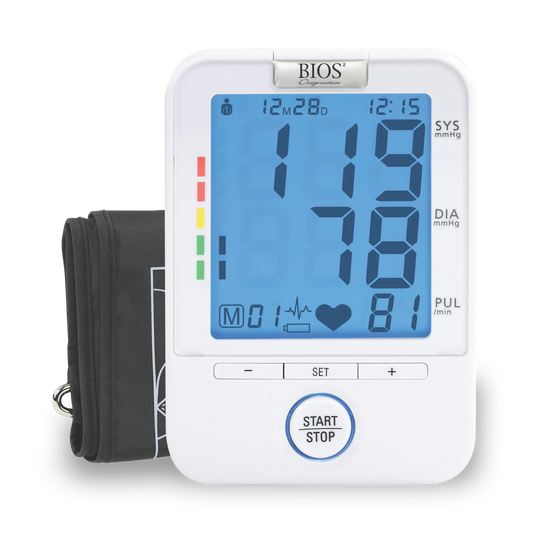
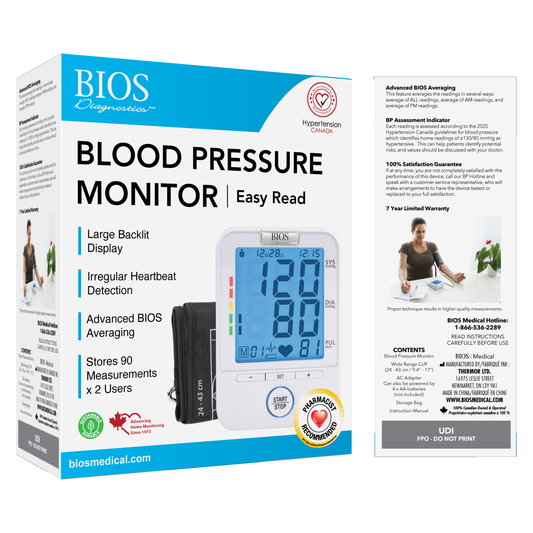
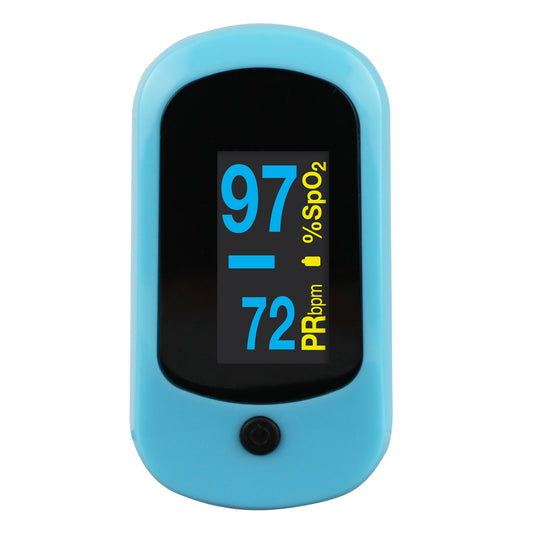
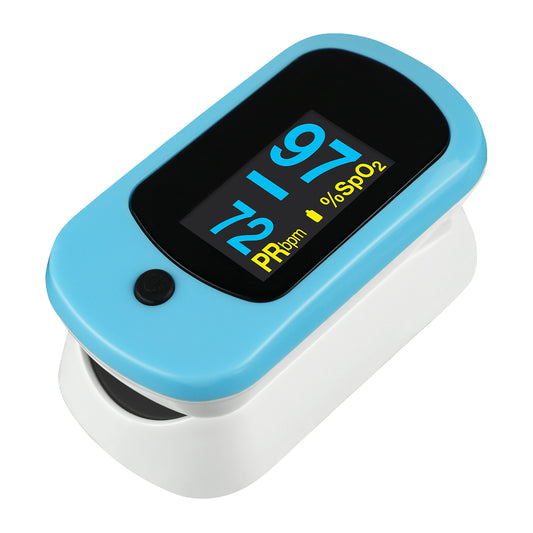
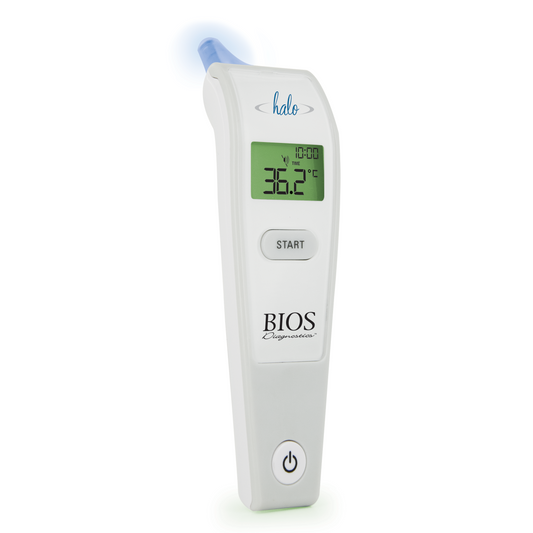
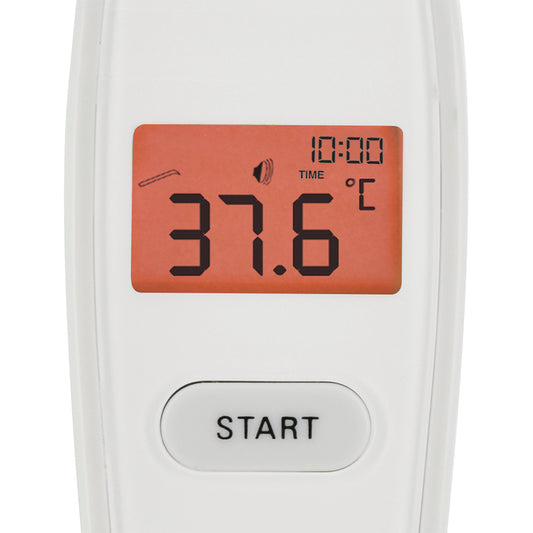
Using a thermometer lets caregivers and individuals measure body temperature accurately without physical contact or discomfort. Sudden changes in body temperature signal that cooling interventions or medical attention may be needed. Combining temperature checks with routine blood pressure monitoring ensures comprehensive health oversight throughout the summer months, as long as you have the right blood pressure cuff. Pulse oximeters are another good way to check oxygen saturation as well.
Create a Fridge Emergency Plan
Post a simple contact list on your refrigerator door. Include numbers for family members, primary care physicians, local health lines, and the locations of nearby community cooling centres.
Contact BIOS Medical for Summer Safety Tips for Seniors
Protecting senior health during the warmer months starts with the right knowledge and dependable care equipment. BIOS Medical equips Canadian families and healthcare facilities with trusted home health products manufactured for comfort, safety, and independence.
For more guidance on senior safety at home or to explore our home health monitoring devices, contact BIOS Medical today. Explore our full catalogue of mobility tools, thermometers, and daily living aids engineered for Canadian homes.


