



High Blood Pressure - HBP (hypertension - HTN) is the leading cause of premature death worldwide¹. In Canada, despite the highest treatment rates in the world, the prevalence of hypertension and the number of people who have uncontrolled HTN continue to rise².
It is frequently called “the silent killer” because there is no pain and there are no symptoms specific to hypertension. But even though you aren’t aware of it, HBP is working against you all the time, and the health effects are wide-ranging and potentially life-threatening. This article is the first of two blogs intended as a brief overview of the deleterious effects arising from uncontrolled high blood pressure, including some that you might not associate with the condition.
Our starting point is a very basic explanation of how our blood pressure increases in the first place. For most people, the onset of HTN develops with age. When we are young, our arteries (the blood vessels that carry oxygen-rich blood to our muscles and organs) are robust, elastic, and smooth. Blood flows unencumbered throughout our bodies. As we age, arteries become less supple, and plaque begins to form on the interior walls. The rate of deterioration is generally determined by our genetics, cardiovascular fitness, and diet. Over time, the result is a narrowing of these blood vessels, and our BP rises because we are pumping the same volume of blood through narrower arteries. The good news is that the condition can be controlled and even reversed in many cases.
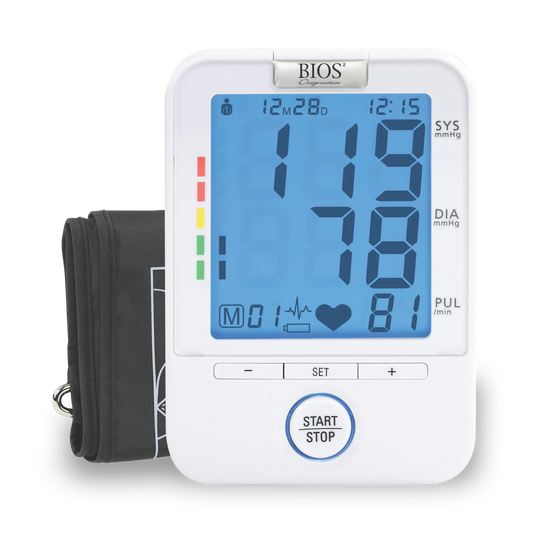
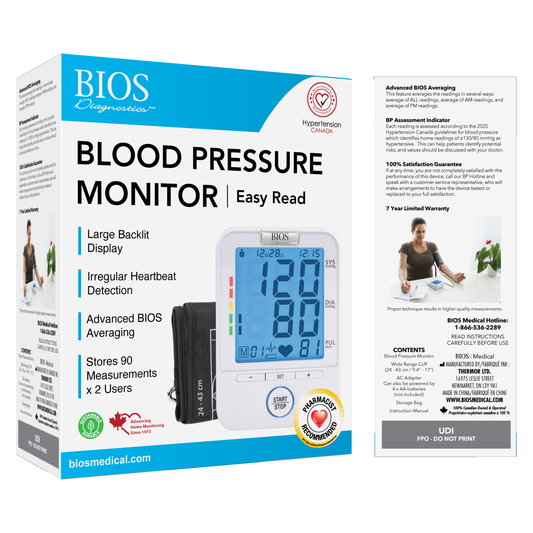
It is worth mentioning that the only way to determine whether you have hypertension or uncontrolled blood pressure is to measure it accurately with a blood pressure monitor, and often. If you measure at home on a regular basis, the threshold numbers are >130/80mmHg. Measurements taken in the clinic define hypertension at somewhat higher levels: > 140/90mmHg. If you have diabetes > 130/80mmHg is recognized as the threshold.
Increased Rates of Dementia – The build-up of plaque in arteries can restrict the flow of oxygenated blood and nutrients to your brain. This can impact thought processes including: reasoning, memory, and judgment.
Interruption of Sex Life – High blood pressure can affect libido and performance for both sexes. In men, Erectile Dysfunction (ED) – “ED” is a common side effect of HTN affecting 49% of men between the ages of 40 and 79³. Less blood flow throughout the body includes the penis. Some drugs that treat HTN can also cause ED. Women with HBP may have less blood flow to their pelvic area and vagina. The common outcomes are lower libido and lower interest. Less blood flow can result in less pleasure and interest during intercourse.
Kidney Disease – Our kidneys employ “nephrons” to filter waste and fluids. Nephrons rely on a good flow of blood with oxygen and nutrients to perform optimally. With HTN, as arteries around the kidneys narrow, blood flow is restricted, and the kidney loses the ability to filter blood and regulate fluid. This situation is complicated because kidneys play a role in regulating blood pressure. The decline is normally a gradual one, but can result in kidney failure if HTN remains uncontrolled⁴.
Eyesight Problems – Medically referred to as: “hypertensive retinopathy”. The retina is a layer of tissue at the back of your eye that transforms light into nerve signals that are interpreted in the brain. HBP can cause blood vessels to restrict blood flow to the retina and restrict its function. The restriction can cause eye swelling and vision issues. Like other health effects of HTN, it is progressive and the result of too much pressure within the arteries.
Awareness of these conditions is well recognized by many Canadians. But hypertension as the underlying cause may not be as well known. What is clear is that uncontrolled high blood pressure affects us in a variety of ways. You might not be able to “feel” high blood pressure, but if you are experiencing any of the symptoms described in this article, contact a healthcare professional for more investigation and treatment.
If you’ve been diagnosed with hypertension, make sure you measure your blood pressure at home so that you understand your average blood pressure level. Watch for part 2 of this blog for information on the potentially life-threatening outcomes from uncontrolled high blood pressure.
Author: Mark Beaton. Sr. Vice President of Marketing, BIOS Medical
FAQs
Why is high blood pressure called the silent killer?
High blood pressure is called the "silent killer" because it causes no pain and presents no symptoms specific to the condition. Even though you are completely unaware of its presence, it continuously works against your body over time, causing wide-ranging, progressive, and potentially life-threatening health effects without warning.
What are the early warning signs of high blood pressure?
There are no specific early warning signs or symptoms that you can feel. The onset develops silently with age as arteries narrow. The only definitive way to detect it early and determine whether you have hypertension is to measure your blood pressure accurately and frequently with a blood pressure monitor.
How does uncontrolled hypertension affect the heart and kidneys?
Uncontrolled hypertension causes arteries to narrow, restricting vital blood flow. For the kidneys, this damages nephrons, causing them to gradually lose their ability to filter waste and regulate fluids, potentially leading to kidney failure. This restriction stems from narrowed arteries, which force the heart to pump against higher pressure.
Can regular home blood pressure monitoring detect hypertension early?
Yes, regular home monitoring is crucial for early detection because hypertension has no early symptoms. Measuring at home frequently allows you to find your real average blood pressure. It helps detect hypertension early by catching readings that cross the specific home threshold of 130/80 mmHg.
How can lifestyle changes help prevent high blood pressure complications?
The rate of arterial deterioration and narrowing is determined by genetics, diet, and cardiovascular fitness. Embracing healthy lifestyle changes, such as improving diet and fitness, directly influences these factors. This can effectively control, manage, and even reverse the progression of hypertension, ultimately preventing severe health complications.
Sources:
- World Health Organization – Factsheet: The top 10 causes of death
- The Epidemiology of Hypertension in Canada: An update; Raj Padwall. The Canadian Journal of Cardiology, May 2016
- The sexual function of men 40 to 79: The Olmsted County Study of urinary symptoms and health status among men. 43:1107-1111. 1995 Journal of American Geriatrics Society
- Heart.org : How High blood pressure leads to Kidney Disease


1 comment
Just purchased your bios 7d mini. Have working with my iPhone via the app and Bluetooth. How do I share the information with the health app on my phone?